A beautiful pendant can make a room feel finished, but designer lighting earns its place long before the final fitting is switched on. It shapes how a kitchen works at 7am, how a hallway welcomes guests after dark and how a living room settles into the evening. The right scheme does more than brighten a space – it gives it depth, comfort and a sense of intention.
For homes that feel considered rather than simply furnished, lighting should be treated as part of the design from the outset. That does not mean every fitting needs to be dramatic or expensive. It means choosing each light for the job it needs to do, then bringing the whole scheme together through scale, finish, warmth and placement.
What Makes Designer Lighting Different?
Designer lighting is not only about a recognisable name or a statement silhouette. It is lighting with a point of view. A well-designed fitting considers proportion, material, light quality and the atmosphere it will create in a room.
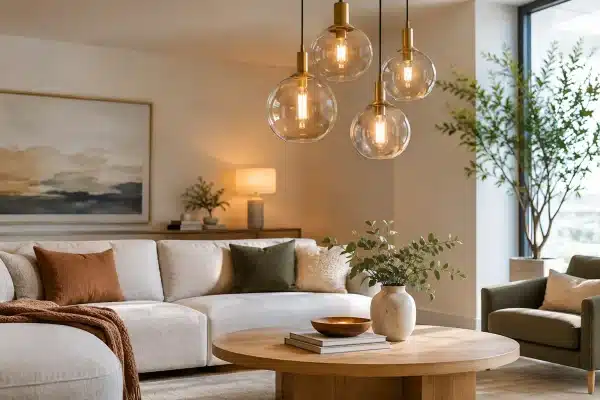
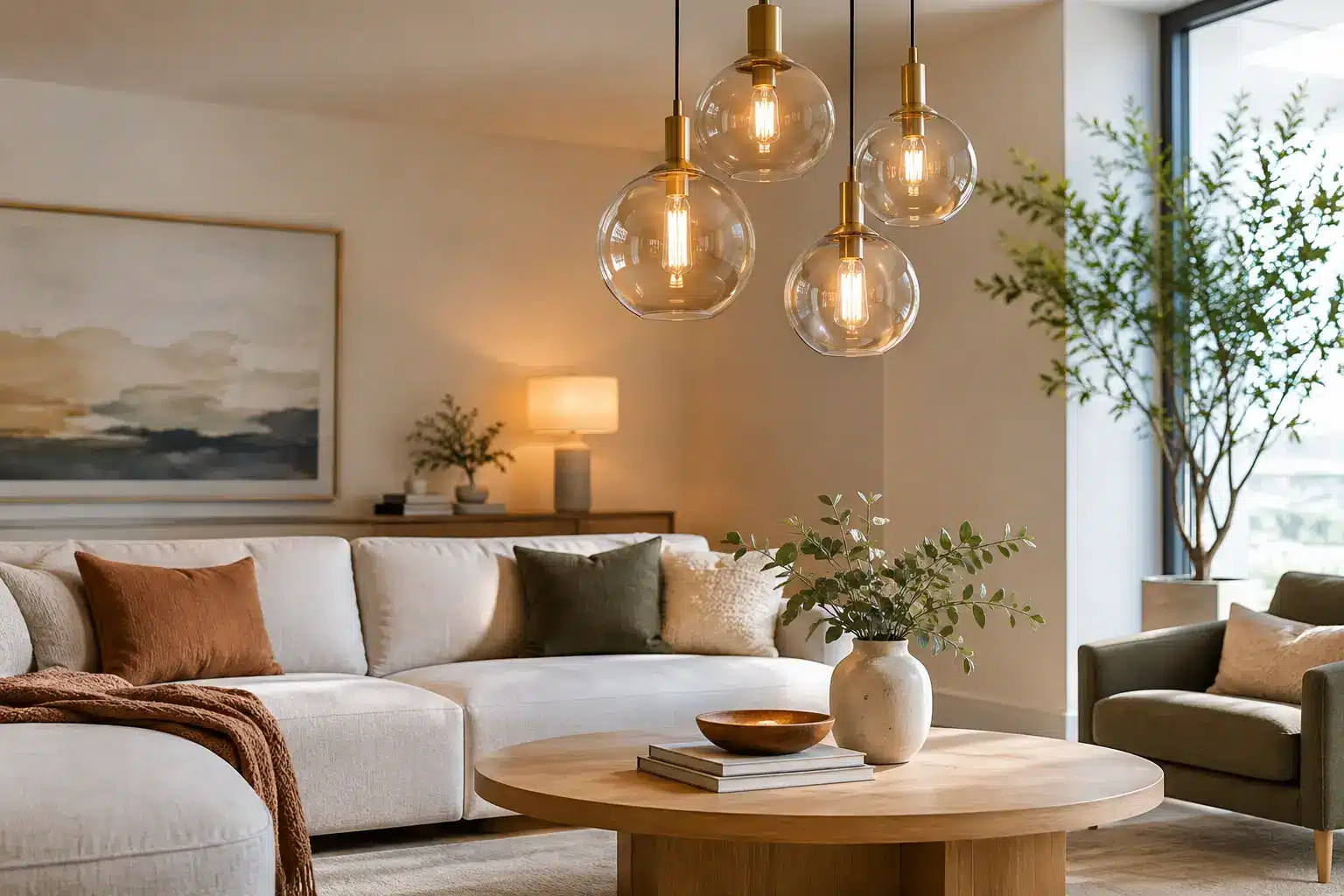
Think of a smoked-glass pendant above a dining table, a sculptural floor lamp beside a reading chair or a slimline wall light framing a bathroom mirror. Each can become a visual feature, but each must also perform. A pendant hung too high loses its presence. A striking bedside lamp with an exposed bulb may look perfect in photographs but prove too harsh for winding down at night.
That balance between form and function is where a considered choice pays off. The most successful spaces mix decorative fittings with quieter architectural light, so the room has character without feeling over-styled.
Build the Room in Layers of Light
Relying on one central ceiling fitting is one of the quickest ways to make a well-decorated room feel flat. Layering brings flexibility: bright light when you need to cook, work or clean, and softer pools of light when it is time to relax.
Start with ambient light
Ambient lighting is the foundation. It provides the overall level of illumination that lets you move around comfortably and see the room clearly. Ceiling pendants, flush fittings, recessed downlights and discreet LED profiles can all do this job.
In a low-ceilinged room, a close-to-ceiling fitting or carefully positioned downlights may be more practical than a large pendant. In a period home with generous ceiling height, a chandelier or oversized lantern can add the scale the space is asking for. The fitting should relate to the room, not compete with it.
Add task lighting where life happens
Task lighting supports the activities that require focus. Kitchen worktops need clear, shadow-free light. A desk benefits from a directional lamp. Bedside lights should make reading comfortable without flooding the whole bedroom.
Under-cabinet LED lighting is especially effective in kitchens because it lights the work surface directly. It also adds a polished evening glow when the main lights are off. In bathrooms, illuminated mirrors and correctly rated wall lights improve the daily routine while making the space feel more refined.
Finish with accent and decorative light
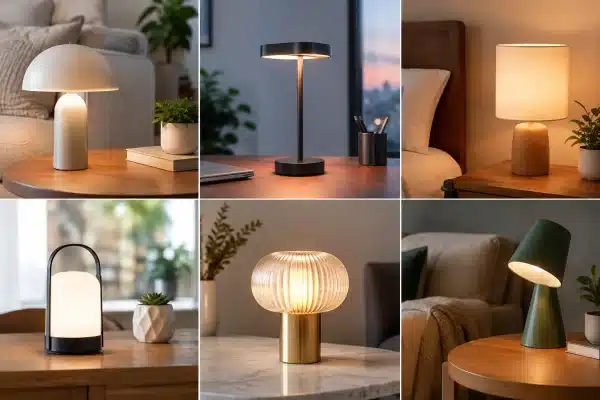
Accent lighting creates the moments people remember. It might be a wall light that picks out texture on a painted surface, LED tape under a floating shelf, or a portable lamp on a console table that softens a dark corner.
This is also where decorative pieces can take centre stage. A cluster of pendants over an island, a bold table lamp in the hall or a pair of wall lights either side of a fireplace introduces rhythm and personality. Use these fittings to draw the eye towards the parts of your home you love most.
Choosing the Right Scale and Position
A fitting can be beautifully made and still look wrong if it is undersized, oversized or positioned without care. Scale is often the difference between a room that feels professionally pulled together and one that feels slightly off.
Over a dining table, the fitting should visually belong to the table rather than the entire room. A single large pendant, a linear bar or a cluster can all work, depending on the table shape and ceiling height. As a guide, pendants are usually hung low enough to create intimacy but high enough that diners can see one another easily.
Kitchen islands call for similar thinking. Three small pendants may suit a long island, while two larger fittings can make more sense over a compact one. Avoid spacing lights purely by measurement. Step back and look at the sightlines from adjoining rooms, particularly in open-plan homes.
Wall lights deserve the same attention. When placed beside a mirror, bed or fireplace, they should sit at a height that feels natural to the person using the space. If there are two, measure carefully: uneven placement becomes noticeable very quickly.
Let Materials and Finishes Create Cohesion
Designer lighting is an easy way to repeat the finishes already present in a room. Brushed brass can warm up timber, cream and natural stone. Black fittings give definition in contemporary interiors, particularly alongside black-framed glazing, handles or shelving. Chrome and polished nickel remain strong choices for bathrooms and more classic schemes.
There is no rule that says every finish must match exactly. In fact, overly matched lighting can make a home feel less relaxed. The aim is coordination. If your kitchen has brass details, for example, a darker bronze pendant or warm metallic wall light may sit more naturally than a perfectly identical finish.
Shade materials matter as much as metalwork. Opal glass diffuses light softly and works beautifully where comfort is the priority. Clear glass gives a cleaner, more open look but can reveal the bulb, so choose the bulb’s shape and warmth with care. Fabric shades bring softness to bedrooms and living rooms, while stone, rattan and textured ceramic add a more tactile, layered feel.
Get the Bulb Temperature Right
Even the best fitting cannot rescue the wrong bulb. Warm white light is generally the most inviting choice for living rooms, bedrooms and dining spaces. It enhances warmer materials and helps the room feel settled in the evening.
Cooler light has a role in practical areas where clarity matters, but it can feel stark in a home if used everywhere. Kitchens and utility rooms often work best with a balanced white light, especially over preparation areas. Bathrooms depend on the look you want and the amount of daylight available, though a flattering light around the mirror is worth prioritising.
Dimmable lighting offers the most flexibility, provided the bulbs and dimmer are compatible. It lets one room handle breakfast, homework, entertaining and quiet evenings without changing the entire scheme. For many households, that adaptability is a better investment than adding more fittings for the sake of it.
Designer Lighting for the Rooms That Matter Most
In the living room, avoid treating the ceiling fitting as the whole answer. Combine it with a floor lamp by the sofa, a table lamp on a sideboard and perhaps a wall light or LED detail. The result is more flattering, more comfortable and far easier to adjust through the day.
In bedrooms, bedside lighting should be practical first. Wall-mounted reading lights free up space on smaller tables, while pendant lights beside the bed can create a boutique-hotel feel. Add a soft central fitting and a lamp near a dressing area for a scheme that works from morning to night.
The hallway is often overlooked, yet it sets the tone for the rest of the home. A confident pendant, lantern or semi-flush fitting can create instant impact. In a narrow hall, wall lights can add warmth without making the ceiling feel crowded.
Outdoors, lighting should make arrival safer and the garden more usable, not simply make everything brighter. Use wall lights at doors, low-level lighting along paths and discreet illumination around seating or planting. Choose fittings designed for outdoor conditions and position them to reduce glare into windows or neighbouring properties.
When a Bespoke Approach Is Worth It
Standard fittings are ideal for many projects, but some spaces need a more tailored solution. Awkward alcoves, open-plan kitchens, media walls, staircases and commercial interiors often benefit from bespoke LED strip lighting. The profile, diffuser, colour temperature and control method can be selected for the exact location rather than forced into a one-size-fits-all product.
This is particularly valuable when light needs to disappear into joinery or architecture. A well-planned LED detail can make a kitchen feel custom-built, give a staircase a floating effect or add depth to a bar or hospitality space. For larger renovations, a lighting design service can prevent costly decisions being made after plastering and wiring are complete.
Lux Lighting works with homeowners and project clients across Ireland who want that mix of decorative impact and practical planning. Whether the brief is one statement fitting or a complete scheme, the best decisions are made by considering the room as a whole.
Start with how you want the space to feel after dark, then choose the lighting that makes that feeling useful every day. A considered fitting is never just a finishing touch – it is the detail that helps a home come alive.