A well-placed line of light can make a kitchen feel tailored, turn a plain bedroom into a retreat, or give a bar area its after-dark personality. But when choosing between LED strip lights vs neon, the right answer is rarely just about brightness. It comes down to the shape of the space, the finish you want, how the fitting will be used and whether you need a subtle glow or a feature that takes centre stage.
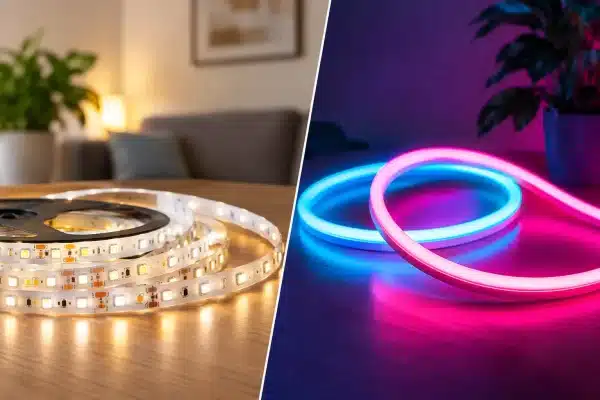
Both options can transform a room, but they do it in very different ways. LED strip lighting is a flexible design tool for highlighting details and building layers of illumination. Neon, particularly modern LED neon flex, is made to be seen – delivering a smooth, continuous line with a stronger decorative presence.
LED strip lights vs neon: understand the difference
Traditional neon is made from glass tubes filled with gas. It has an unmistakable glow, a handcrafted look and real visual theatre, but it is specialist, fragile and typically suited to commercial signage, statement artwork and carefully managed installations. For most homes and contemporary projects, the comparison is usually between LED tape and LED neon flex.
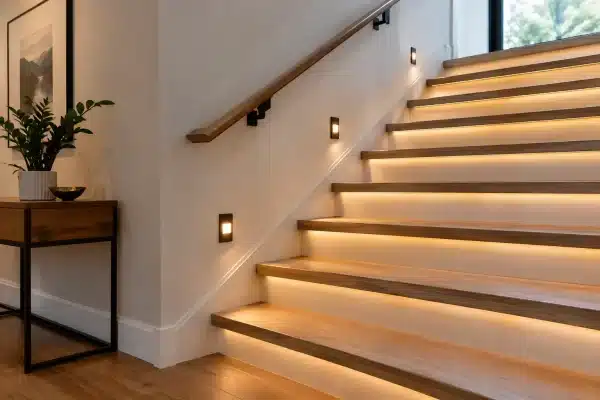
LED strip lights, often called LED tape, are a run of small LEDs on a flexible circuit. They can be cut to size and fitted into aluminium profiles with diffusers, or installed discreetly behind surfaces. The result can be almost invisible until switched on. This makes LED tape a favourite for under-cabinet kitchen lighting, shelving, coving, wardrobes, stair treads and joinery.
LED neon flex houses LEDs inside a flexible silicone or PVC diffuser. Instead of seeing individual points of light, you see a soft, unbroken band. It recreates the character of traditional neon while using efficient LED technology. It is ideal where the light itself is part of the design – around mirrors, along a feature wall, behind a headboard, or in a bespoke sign.
The look: concealed detail or visible statement?
The biggest distinction is visual. LED strip lights work beautifully when you want the source to disappear. Installed beneath a kitchen worktop or inside a recessed ceiling channel, they add depth without demanding attention. They can make cabinetry appear to float, draw out the texture of a wall or bring a dark alcove to life.
Neon flex is more graphic. Its rounded, consistent glow creates a deliberate outline, whether it follows the curve of an arch, frames a display or spells out a message in a hospitality setting. It can feel playful and bold, but it is not limited to bright pink signs. Warm white neon flex can bring a refined hotel-style finish to a dressing area or bar, while a carefully chosen colour can sharpen a brand moment in a café, salon or reception space.
This is where proportion matters. A slim run of tape can suit a compact kitchen or low ceiling because it adds light without visual bulk. Neon flex needs enough breathing room to look intentional. In a small room, use it as one considered feature rather than tracing every edge.
Brightness and light quality
Neither product is automatically brighter. Output depends on the specification, including wattage, LED density, colour temperature and diffuser. LED strip lights often provide the more practical choice when you need useful task lighting, especially beneath wall units or inside wardrobes. A high-quality tape with an appropriate profile and diffuser can give an even, comfortable wash of light across a surface.
Neon flex is generally chosen for ambient and decorative illumination. It can be bright enough to make an impact, but its diffuser softens the output. That is exactly what makes it so appealing for feature lighting: the line looks polished rather than dotted or harsh.
Colour temperature changes the mood just as much as the fitting. Warm white creates a relaxed, welcoming effect in living areas, bedrooms and hospitality spaces. Neutral or cooler white can feel fresher for kitchens, utility rooms and work-focused zones. Colour-changing and tunable options add flexibility, though they are most effective when they support the room’s overall scheme rather than becoming a novelty.
Installation: the detail that defines the finish
LED tape may look simple, but a lasting installation is about more than peeling off the adhesive backing. For clean lines and effective heat management, aluminium profiles are often the better choice. They protect the tape, help it perform well and create a more considered finish, especially on visible joinery or plasterboard details.
Planning also matters. Consider where the driver will sit, how cables will be hidden and where switching or dimming will happen before units are fitted. In kitchens and bathrooms, correct IP ratings are essential, and bathroom installations should always be planned with the relevant zones and electrical requirements in mind.
Neon flex is usually more straightforward to appreciate visually but can be more demanding to route neatly. Tight bends, joins and end caps need careful handling, particularly when creating lettering, curves or long architectural runs. Measure the route precisely and check the minimum bend radius before committing to a design. A poorly planned corner can interrupt the smooth, continuous effect that makes neon so attractive.
For either option, professional installation is worth considering where the lighting is integrated into cabinetry, ceilings, staircases or commercial interiors. It protects the finish of the project and avoids visible cables, patchy light or inaccessible drivers later on.
Cost, efficiency and maintenance
LED tape is usually the more economical route for longer runs and concealed applications. It offers enormous flexibility by the metre and can be tailored to awkward dimensions, making it particularly cost-effective for bespoke joinery and larger kitchen or retail projects. The final cost should include profiles, diffusers, drivers, controls and installation, not just the tape itself.
LED neon flex can cost more per metre because of its enclosed construction and more sculptural finish. For a short statement line, mirror surround or sign, that premium may be entirely justified. It delivers a finished look without relying on a recessed channel to disguise the light source.
Both use far less energy than traditional glass neon and have long operating lives when correctly specified and installed. The key is to select suitable components. A cheap driver or poorly matched dimmer can undermine a premium lighting scheme, causing flicker, inconsistent dimming or early failure.
Where each option works best
In a kitchen, LED strip lights are the natural starting point for under-cabinet task lighting, plinth lighting and illuminated shelving. Neon flex can then add a more expressive touch around a breakfast bar or within an open-plan entertaining area, but it should not replace practical worktop lighting.
Bedrooms suit both. Use LED tape in a recessed headboard detail, wardrobe rail or floating bedside unit for soft, layered light. Choose neon flex when you want the headboard wall to become the feature, perhaps following an arch or creating a warm outline behind a mirror.
For bathrooms, LED tape can bring a calm, spa-like quality to vanity units, niches and mirror surrounds when correctly rated. Neon flex offers a smooth, flattering halo around a mirror, but every fitting must be selected for its location and installed safely.
In bars, restaurants and retail spaces, neon flex has instant draw. It can establish a visual identity, guide customers through a space and create a photo-worthy moment. LED tape remains invaluable behind bottles, beneath seating, within display shelving and around architectural details where the effect should feel integrated rather than overt.
Make the choice part of the whole scheme
Choose LED strip lights when the goal is flexible, discreet illumination that improves how a space works. Choose LED neon flex when you want a visible, continuous line that gives the room a signature look. Many of the strongest interiors use both: tape for the practical layers and neon for one memorable focal point.
Before choosing a colour or profile, stand in the room at the time it will be used most. Notice the shadows, the surfaces you want to highlight and what the lighting needs to do after dark. For tailored runs, complex details or a complete layered scheme, Lux Lighting can help turn that first idea into a finish that looks considered from every angle.