A bright line of exposed LED tape can look impressive during a quick test, then feel surprisingly harsh once the room is finished. The right LED strip diffuser changes that result completely. It softens individual LED points into an even wash of light, protects the tape and gives your joinery, shelving or ceiling detail the polished appearance it deserves.
For kitchens, living spaces, bedrooms and commercial interiors, a diffuser is often the detail that separates a considered lighting scheme from a visible DIY installation. It is not simply an accessory. It is part of the finish.
What an LED Strip Diffuser Does
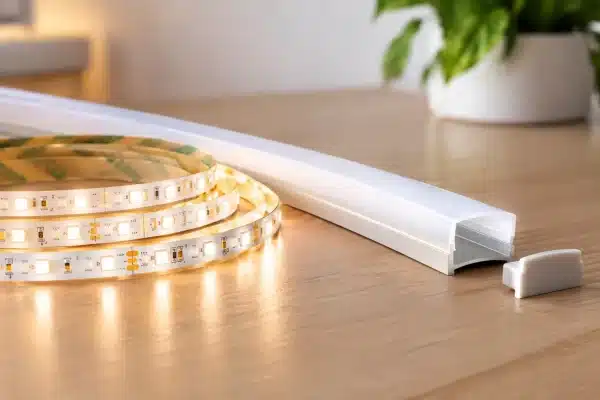
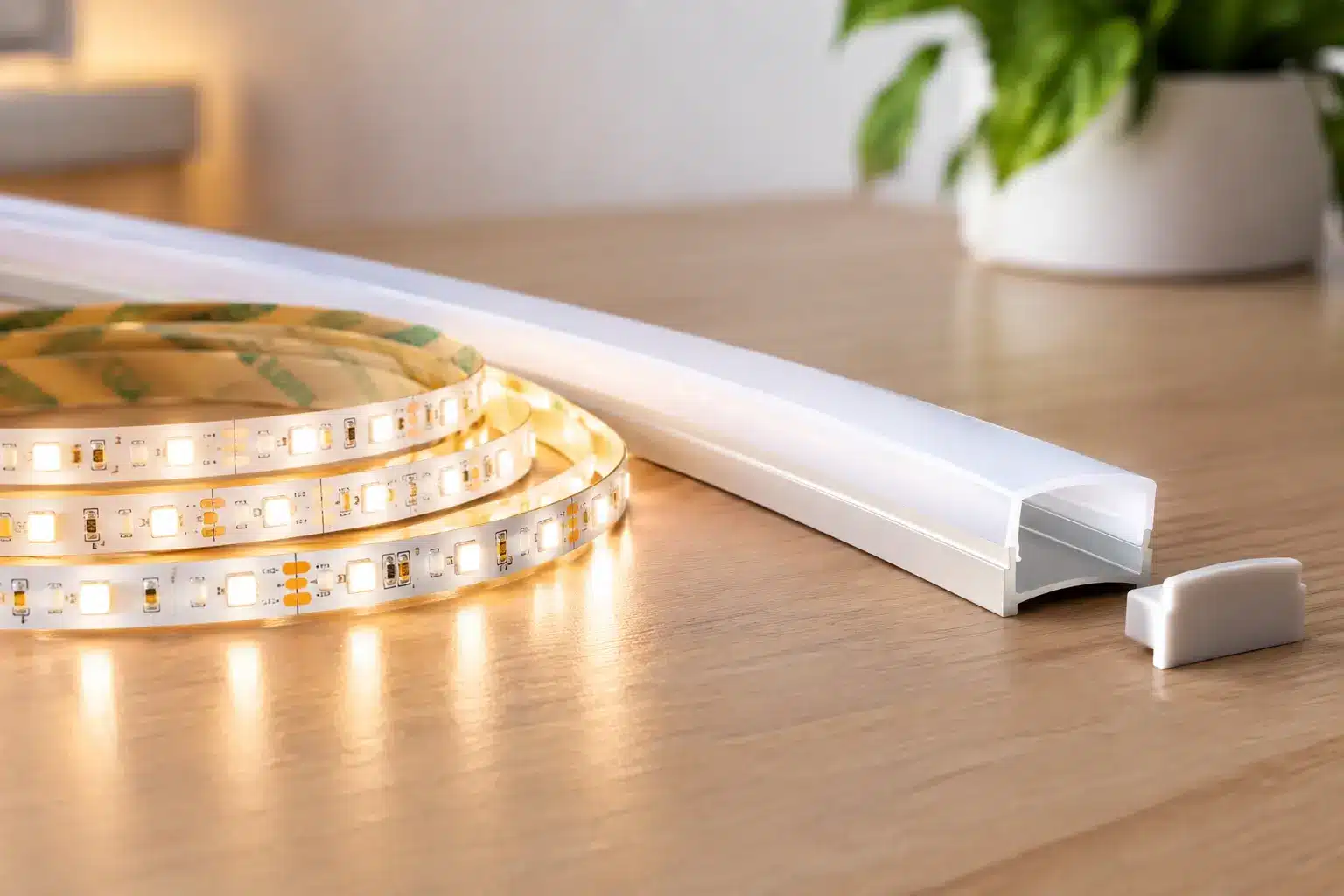
An LED strip diffuser is the cover fitted over LED tape, usually within an aluminium profile or channel. Most are made from opal, frosted or clear polycarbonate. The cover spreads the light from each diode, reducing spotting and glare while protecting the tape from dust, knocks and everyday handling.
The aluminium profile beneath it matters just as much. It creates a neat recess or surface-mounted line, holds the diffuser securely and helps draw heat away from the LED tape. Better heat management can support a longer-lasting installation, particularly where lighting is used for extended periods in kitchens, retail displays or hospitality settings.
The visual difference is immediate. Instead of seeing a row of bright dots beneath a cabinet or along a shelf, you see a clean, continuous line of light. That softer effect is especially valuable where the LED tape is visible from normal eye level.
Where a Diffuser Makes the Biggest Difference
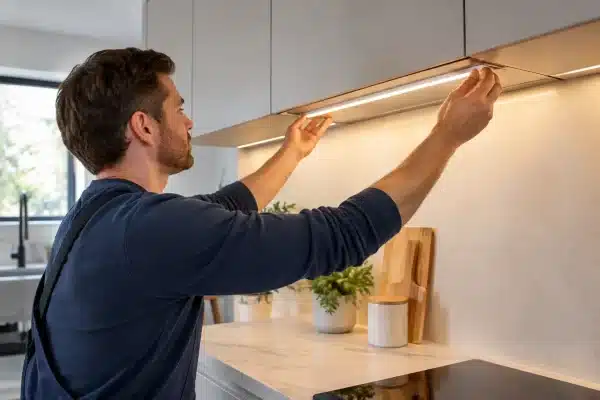
Under-cabinet kitchen lighting is one of the most popular uses. A diffuser gives the worktop an even pool of practical task lighting without the sharp glare that bare tape can create on polished stone, glossy splashbacks or stainless steel appliances. Positioning the profile towards the front edge of the cabinet usually throws light more effectively across the work surface.
In living rooms, diffused LED tape works beautifully in media walls, alcoves and floating shelves. It can frame a fireplace, create depth around a television unit or highlight objects without making the light source the centre of attention. Warm white lighting tends to suit relaxed spaces, while tunable or smart LED tape gives greater flexibility for entertaining, film nights and everyday use.
Bedrooms benefit from the same gentle approach. A recessed diffuser beneath a bed frame, behind a headboard or inside a wardrobe can provide low-level light that feels calm rather than clinical. For wardrobes and dressing areas, a neutral white tone gives clearer colour rendering for clothes and finishes.
Feature ceilings and coving are another strong application. Here, the diffuser may be less visible, but it still helps shape an even glow and protects the tape in a location that is awkward to access later. The more permanent the installation, the more worthwhile it is to choose quality profiles, covers and components from the start.
Choosing the Right LED Strip Diffuser
The best choice depends on where the tape sits, how visible it will be and the effect you want to create. A clear cover lets through the most light, but it does little to hide individual diode points. It can work well inside a deep profile or where maximum brightness matters more than softness.
An opal or frosted cover is the more versatile choice for most homes. It reduces glare and creates a smoother line of light, although it will slightly reduce output compared with a clear diffuser. That trade-off is usually worthwhile in a finished interior, particularly for exposed shelves, kitchen cabinetry and joinery details.
The spacing of the LEDs also matters. High-density LED tape has more diodes per metre, making it easier to achieve a continuous effect. Lower-density tape can still look excellent, but it needs a deeper profile and a more opaque diffuser to prevent visible dots. If the tape is close to the cover, a standard diffuser may not disguise each point of light as effectively as expected.
Think about the profile shape too. Surface-mounted profiles are a straightforward option for the underside of cabinets, shelves and display units. Recessed profiles sit flush within timber, plasterboard or furniture panels for a more tailored finish. Corner profiles are designed for 45-degree placement, making them ideal for illuminating a worktop from beneath a wall cabinet or washing light across the inside of a cabinet.
Match the Profile to the Installation
A slim profile may look discreet, but it is not always the right answer. Wider LED tape, higher-output installations and smart tape can require a larger channel to accommodate the tape and manage heat properly. The profile must also allow enough internal depth between the LEDs and diffuser to spread the light attractively.
For a bespoke shelving unit or media wall, plan the lighting before the joinery is built. That gives you the option to route a recess for the profile, hide cables and place drivers in an accessible location. Retrofitting is possible, but it often means more compromises around visible wiring, shallow channels or difficult access for maintenance.
In a kitchen, check practical details before ordering. Will the cabinet underside be deep enough for the selected profile? Where will the driver sit? Can the lighting be switched independently from the main ceiling lights? Small decisions like these have a major effect on how useful the finished scheme feels every day.
Light Colour and Control Still Matter
A diffuser improves the appearance of the light, but it cannot correct an unsuitable colour temperature. Warm white, usually around 2700K to 3000K, creates a welcoming feel in living rooms, bedrooms and many dining spaces. Neutral white, often around 4000K, is a popular choice for practical kitchen work areas, utility rooms and commercial settings where clarity is the priority.
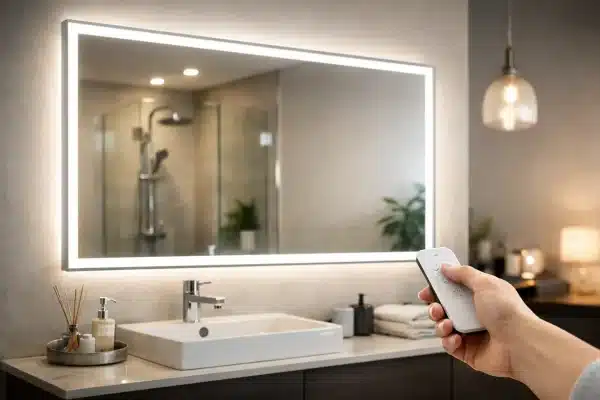
If one space serves several purposes, consider dimmable or smart LED tape. Bright neutral light may be useful for food preparation, while a lower warm setting makes the same kitchen feel more relaxed in the evening. The diffuser helps maintain a soft, refined result at both settings.
For colour-changing tape, an opal diffuser is usually the better match. It blends colours more smoothly and avoids the striped effect that can appear when red, green and blue diodes are visible individually. This is particularly effective in media walls, bar areas, gaming rooms and hospitality interiors.
Avoid These Common Finishing Mistakes
The most common mistake is treating the diffuser as an afterthought. Choosing LED tape first without checking profile dimensions can leave you with a channel that is too narrow, too shallow or visually unsuitable for the project.
Another is using a diffuser to solve poor positioning. If light shines directly into seated eye lines or reflects sharply off a glossy surface, move the profile rather than expecting the cover to eliminate every glare issue. A diffuser softens light, but good placement remains essential.
It is also worth avoiding inaccessible drivers and connectors. LED tape may be discreet, but its power supply should remain reachable for future servicing. For bathroom zones, outdoor details or any installation involving mains wiring, use correctly rated products and seek a qualified electrician where required.
Finally, do not underestimate the value of neat end caps, tidy cable routes and cleanly cut profiles. These are the details people may not consciously notice, yet they are what make integrated lighting feel intentional.
A Small Detail With a Major Design Impact
An LED strip diffuser is one of the simplest ways to make architectural lighting feel calmer, cleaner and more expensive. Whether you are refining kitchen task lighting, adding depth to bespoke joinery or creating atmosphere in a commercial setting, choose the profile and cover as carefully as the LED tape itself.
For more complex layouts, bespoke lengths and expert planning can save time, reduce waste and deliver a far stronger result. Lux Lighting can help turn a bright idea into lighting that feels designed for the space, not simply added to it.