A kitchen island is rarely just a worktop. It is where breakfast happens, homework spreads out, guests gather and dinner prep begins. Knowing how to light a kitchen island means giving that central surface enough practical light while making it feel like a considered part of the room, rather than an afterthought with a fitting above it.
The best schemes balance proportion, brightness and atmosphere. A striking row of pendants can define the island beautifully, but only when the scale, drop and light output are right for the space around it. Start with the island itself, then build the lighting plan outward.
How to light a kitchen island with layers
One ceiling fitting rarely does every job. Your island needs useful working light, but the kitchen also benefits from softer general illumination and a little visual depth. This is why layered lighting works so well.
Pendant lights or a linear suspension fitting create the focal point above the island. They bring the decorative element: a warm glass shade, sculptural metal finish or a clean contemporary profile that ties in with handles, taps and bar stools. Their job is partly practical, but they also make the island feel intentional.
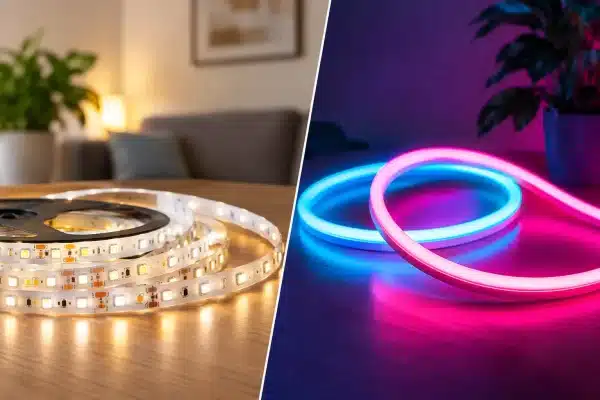
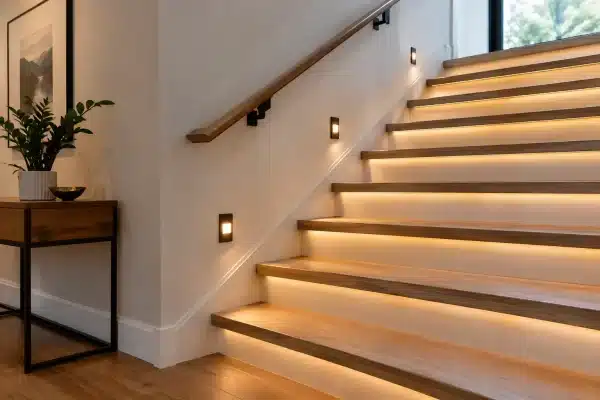
The pendants should not be expected to light the entire kitchen on their own. Recessed downlights, discreet ceiling fittings or track lighting can provide broader ambient light across cabinets, walkways and cooking areas. Under-cabinet lighting then removes shadows from perimeter worktops, while LED tape below the island overhang can add a soft evening glow.
When each layer has its own switch or dimmer, the kitchen becomes much more flexible. Bright, clear light suits food preparation and busy family mornings. A lower setting creates a relaxed backdrop for supper or drinks, without leaving the island in darkness.
Choose the right number of pendants
There is no fixed rule that every island needs three pendants. The right choice depends on the island length, ceiling height, shade size and how much visual weight the fittings carry.
For a compact island, one statement pendant or a small linear fitting may look more polished than several small shades. Two pendants often suit a medium-length island, particularly where a symmetrical, uncluttered look is the aim. Three pendants can work beautifully over a longer island, but they need enough breathing room to avoid looking crowded.
As a practical starting point, consider the width of each shade and leave a similar amount of clear space between them. Keep the outer fittings comfortably inside the ends of the island, rather than lining them up right at the edges. This makes the composition feel centred and prevents heads or shoulders meeting a low shade when someone is seated on a stool.
Large, opaque pendants bring strong presence but can block sightlines in an open-plan kitchen. Glass pendants feel lighter and allow more visibility through the room, although clear glass can reveal the bulb and create glare if the lamp is poorly chosen. If your kitchen already has bold veined stone, dramatic cabinetry or a statement extractor, a simpler fitting may create better balance.
Consider a linear fitting for a cleaner look
A single linear suspension is a smart alternative to individual pendants, especially above long, minimalist islands. It gives even coverage and a crisp architectural line, with less visual clutter. It can be an excellent choice where the island is used constantly for cooking and serving.
The trade-off is personality. Individual pendants can introduce texture, colour and a more decorative finish. A linear fitting usually feels calmer and more contemporary. Neither is automatically better – the right option depends on whether the kitchen needs a focal point or a quieter finishing detail.
Get pendant height and spacing right
Pendant height changes everything. Hang a fitting too high and it can feel disconnected from the island. Hang it too low and it interrupts conversation, blocks views across the kitchen and may become a daily nuisance.
In many homes, the bottom of a pendant shade sits around 75 to 90 cm above the island worktop. This is a useful guide, not a hard rule. A tall household, high ceilings, extra-large shades or sightlines into a living area may call for a higher drop. Smaller shades over an island that is mainly used for prep can sit slightly lower, provided they remain clear of eye level when seated or standing nearby.
Before the electrician finalises the position, test the height in the room. A simple piece of card or a lightweight object held at the proposed level can reveal whether the fitting will cut across a view. This is particularly worthwhile in open-plan kitchens, where island lighting is visible from the dining and living areas.
Spacing should be measured from the centre of each fitting, not from shade edge to shade edge. Mark potential positions with masking tape on the ceiling and stand back from several viewpoints. Look from the kitchen entrance, from the dining table and from the sofa if the room is open plan. The most successful arrangement feels balanced from more than one place.
Select brightness that works after dark
Decorative does not have to mean dim. The island is a working surface, so the fittings above it should provide enough useful light for chopping, reading a recipe or setting out food. Yet very bright, exposed bulbs can feel harsh when the rest of the kitchen is winding down.
Aim for warm white light in the region of 2700K to 3000K for most residential kitchens. It gives cabinetry, timber and stone a welcoming appearance while still feeling fresh enough for food preparation. Very cool white lamps can make a kitchen feel clinical, particularly alongside pale grey or white finishes.
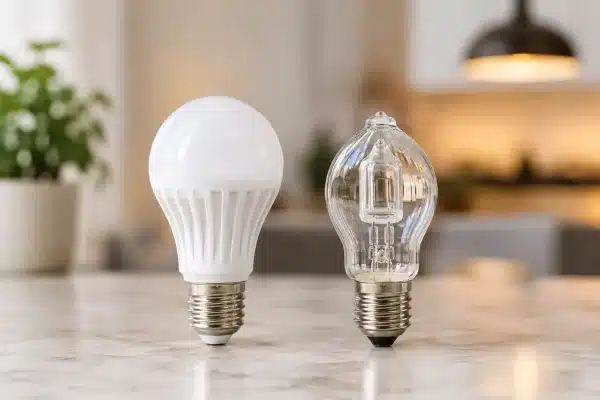
For pendant lamps where colour and finish matter, choose a high colour-rendering bulb where possible. A CRI of 90 or above helps ingredients, painted cabinetry and worktop materials look more natural. This is a small specification that makes a noticeable difference in a kitchen designed around quality finishes.
Brightness depends on the wider scheme. If downlights and under-cabinet fittings already provide strong task light, island pendants can be more atmospheric. If the pendants are the main source above the worktop, select fittings with a more generous downward spread or use suitable higher-output bulbs. A shaded pendant that directs all light upwards may look beautiful but will not help much with meal prep.
Dimmable lighting is the simplest way to avoid choosing between function and mood. Pair dimmable fittings with compatible lamps and a compatible dimmer, rather than assuming any LED bulb will work with any control. This prevents flickering, buzzing and disappointing dimming performance.
Match materials to the kitchen, not just the trend
Island lighting often sits at eye level, so its finish deserves the same attention as cabinet hardware and seating. Brushed brass can bring warmth to dark green, navy and timber kitchens. Black metal gives pale cabinetry a sharper contemporary edge. Smoked glass adds depth without the visual heaviness of a solid shade, while opal glass softens the light and suits calmer, more classic interiors.
Try to repeat a finish once or twice rather than matching every element exactly. A brass pendant can relate to a tap, a mirror frame in an adjoining space or the detail on bar stools. This creates cohesion without making the room look overly coordinated.
Also think about maintenance. Open glass shades and exposed filament bulbs create a light, elegant look but show dust and cooking residue more quickly. In a hardworking family kitchen, a closed or easy-to-wipe shade may be the more practical choice.
Plan the electrics before the kitchen is finished
The best time to decide on island lighting is before plastering, not after the worktop is installed. The electrical point needs to align with the final island position, which can differ from early kitchen drawings once cabinetry, seating overhangs and appliances are confirmed.
Consider separate circuits for island pendants, general ceiling lighting and under-cabinet or LED strip lighting. This gives you far more control over the room and makes the kitchen feel different throughout the day. For renovation projects with unusual island dimensions, a bespoke lighting plan can also solve awkward shadows, off-centre ceiling points and the challenge of lighting a larger open-plan space.
A well-lit island should make everyday life easier, then look exceptional when the cooking is done. Choose fittings with the confidence to hold the centre of the room, give them the right space to shine and let dimmable layers carry the kitchen from first coffee to the last conversation of the evening.