A beautiful room can be let down by the smallest detail. You can choose the right pendant, layer your wall lights perfectly and still end up looking at a tired white plastic switch that drags the whole scheme back to square one. That is why choosing the best switches and sockets matters more than most people expect. They are used every day, always on show and surprisingly influential in how polished a space feels.
When you are planning a renovation, refreshing one room or finishing a new build, switches and sockets should be treated as part of the design, not an afterthought. The right finish can sharpen a modern kitchen, soften a bedroom or bring a sense of consistency across an entire home. The wrong one can feel cheap, dated or simply out of place.
What makes the best switches and sockets?
The best switches and sockets do two jobs at once. First, they need to work properly, safely and comfortably. Second, they need to sit well within the wider interior scheme. Good design here is not about excess. It is about proportion, finish and the little details that make a room feel considered.
Quality is the first filter. A well-made switch has a solid action, clean edges and a faceplate that sits neatly against the wall. A good socket should feel secure when plugged in, not loose or flimsy. In practical terms, durability matters because these are high-touch items. In visual terms, quality matters because poor finishes show quickly, especially in kitchens, hallways and busy family spaces.
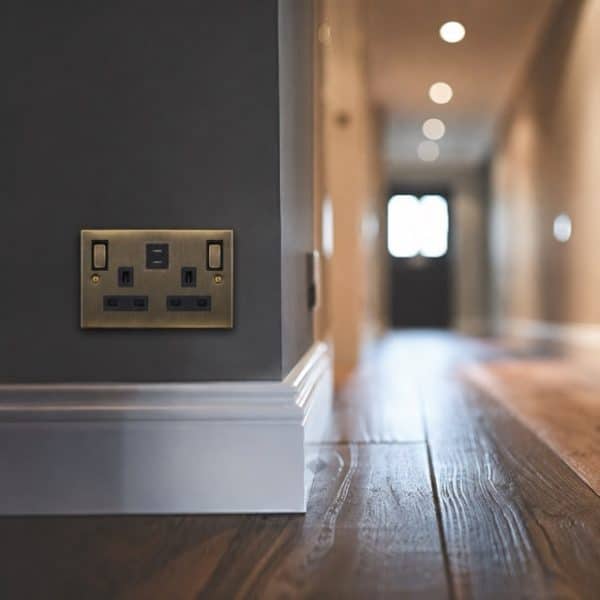
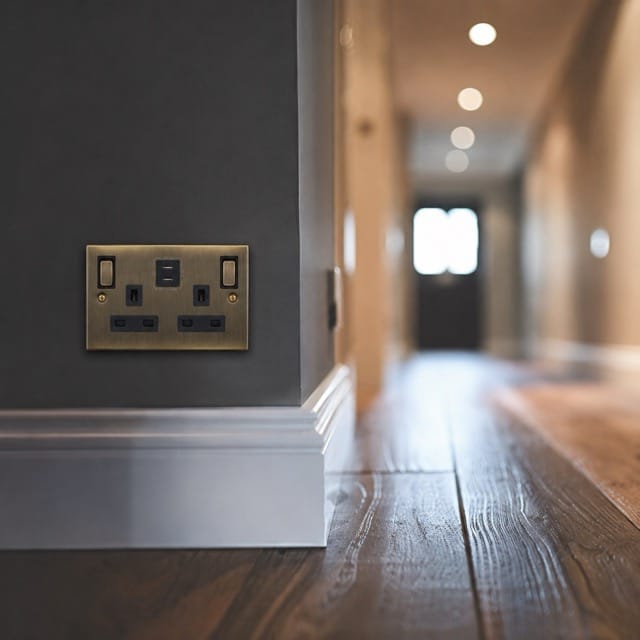
Then there is finish. Brushed steel, matt black, polished chrome, antique brass and slim white plates all create very different moods. There is no single best choice for every room. It depends on the architecture, the lighting, the wall colour and the other hardware in the space.
Matching switches and sockets to your interior style
If your home leans modern, slimline plates with a restrained finish usually work best. Matt black remains a strong choice for contemporary spaces, especially against pale walls or when repeated alongside black-framed mirrors, handles or light fittings. Brushed chrome and stainless steel feel crisp and understated, which makes them useful in kitchens and open-plan areas where you want a clean, architectural look.
For warmer interiors, antique brass and softer metallics can add depth without shouting for attention. They pair well with timber, earthy paint shades and decorative lighting. In period-style homes, a polished metal or heritage-inspired plate can feel more natural than a stark modern plastic fitting.
That said, a statement finish is not always the answer. In some schemes, the best option is the one that quietly disappears. A simple white or colour-matched plate can keep the focus on feature lighting, wall panelling or a bold paint finish. If you have invested in standout pendants or decorative wall lights, there is often value in keeping sockets more discreet.
Best switches and sockets by room
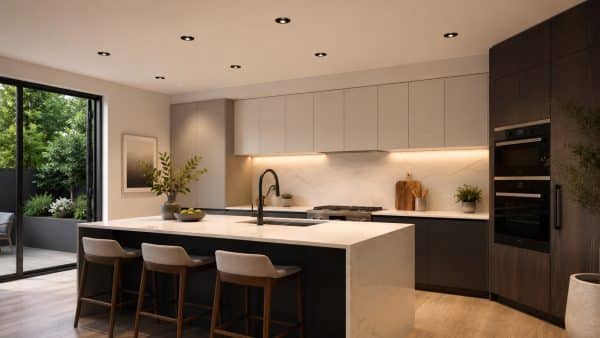
Different rooms ask for different priorities. In a kitchen, practicality matters just as much as appearance. You may need more sockets than you first expect, especially around breakfast stations, islands and worktops. USB options can be useful here, but placement matters. Too many visible fittings can clutter a beautiful splashback, so it is worth planning the layout with care.
In living rooms, the focus often shifts to flexibility and finish. This is where dimmer switches come into their own, helping you move from bright functional light to a softer evening atmosphere. If you use table lamps, floor lamps and media units, socket positioning becomes part of how tidy and balanced the room feels.
Bedrooms benefit from convenience. Bedside sockets with USB charging can make daily life easier, while well-placed switches save awkward reaching. If you are creating a calm, hotel-inspired scheme, finish becomes more noticeable. A refined plate can elevate the whole room in a subtle but effective way.
Bathrooms are more specific because safety regulations come first. Not every fitting is suitable, and placement needs to be handled properly. Here, it is less about decorative freedom and more about choosing products designed for the space while keeping the look cohesive with the rest of the home.
Hallways, utility rooms and home offices are often overlooked, but they deserve the same attention. These are hardworking areas where reliable performance and sensible positioning matter. In an office, for example, extra sockets and USB charging may be more valuable than a bold finish. In a hallway, a stylish switch plate can set the tone from the moment you walk through the door.
Finish, texture and the details people notice
The best switches and sockets are often the ones that relate well to nearby materials. If your kitchen has brushed steel appliances, a brushed metal plate can feel naturally connected. If your lighting includes warm metallic tones, a brass finish may pull the room together.
Texture plays a part too. Matt finishes can feel more contemporary and are often kinder when it comes to fingerprints. Polished finishes bounce more light and can feel smarter or more formal, but they tend to show smudges more easily. In busy homes, that practical trade-off is worth thinking about.
There is also the question of screwless versus traditional plates. Screwless designs usually give a cleaner, more premium look. They suit modern interiors especially well because the finish feels uninterrupted. Traditional visible-fix plates can still look excellent, particularly in classic spaces, but they tend to feel more functional than refined.
Do smart features make a difference?
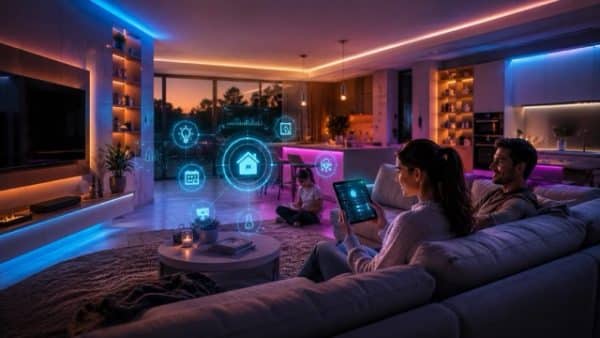
Sometimes yes, sometimes not. Smart switches can be a great addition if you are building a connected home or want more control over lighting scenes. They are particularly useful in open-plan spaces, kitchens and living areas where mood changes throughout the day.
But smart does not automatically mean better. Some homeowners simply want dependable, attractive fittings that work without apps, hubs or setup. If you are not likely to use advanced features regularly, a beautifully made standard switch may be the better investment. The best choice is the one that fits how you actually live, not the one with the longest feature list.
USB sockets are a similar case. They can reduce charger clutter and are genuinely handy in bedrooms, kitchens and home offices. Still, they are not essential in every room. Adding them where they solve a real need tends to work better than fitting them everywhere.
Choosing for a renovation or a full project
If you are updating one room, it makes sense to choose switches and sockets that complement what is already there. You do not need to redesign the whole house to make an improvement. A kitchen refresh with better fittings can instantly feel more finished, especially when paired with new lighting.
For larger renovations and new builds, consistency becomes more important. Repeating one finish throughout the home can create a calm, high-end feel, while using a second finish in feature spaces can add character. For example, you might keep bedrooms and utility areas simple, then introduce something more decorative in the kitchen, dining area or principal suite.
This is also where planning pays off. Think about furniture layout, lamp locations, charging points and the way you move through each room. The best product will still disappoint if it is in the wrong place. Early decisions usually lead to a cleaner result than trying to fix awkward gaps later.
How to avoid common mistakes
The biggest mistake is treating switches and sockets as purely functional. They are practical, yes, but they are also part of the visual finish of a room. Another common issue is choosing a finish that clashes with nearby hardware. If your handles, taps and lighting all lean warm, a cold polished plate can feel disconnected.
It is also easy to overdo it. Not every room needs a bold metal plate or a smart upgrade. Sometimes restraint looks more expensive. The best interiors tend to be edited rather than overloaded.
Finally, never ignore the technical side. Style matters, but so do safety, compatibility and installation. If you are working on a larger home project, it helps to choose from a specialist retailer that understands how lighting and electrical accessories sit together in the wider scheme. That is often where better decisions get made.
The best switches and sockets are the ones that make everyday use feel effortless while sharpening the overall look of your home. When chosen well, they do not just sit on the wall – they quietly complete the room.