A restaurant can have a strong menu, polished interiors and great service, then lose the atmosphere the moment the lighting feels flat. The best restaurant lighting design ideas do more than brighten a room. They shape how guests see the space, how long they stay, what catches their eye and whether the whole setting feels considered or forgettable.
In hospitality, lighting is never just practical. It is part of the experience you are selling. A softly lit dining room suggests comfort and intimacy. A brighter, more layered scheme can make a casual spot feel energetic and social. The right approach depends on your concept, your layout and the hours you trade, but there are some design principles that consistently make restaurants look better and work harder.
Restaurant lighting design ideas that change the feel of a space
Good restaurant lighting starts with zoning. Most venues are trying to do several jobs at once – welcome guests, flatter food, create atmosphere and keep staff working safely and efficiently. One overhead lighting plan rarely handles all of that well.
1. Layer the lighting instead of relying on one source
If your entire restaurant is lit by a grid of ceiling fittings, the room can feel exposed and one-dimensional. Layered lighting creates depth. In practice, that usually means combining ambient light for general visibility, accent light for features and task light where staff need clarity.
This matters because dining spaces need contrast. Guests should feel comfortably lit, not scrutinised. Meanwhile service stations, counters and till points need stronger light levels to support operations. When each layer has a clear role, the whole room feels more polished.
2. Use pendant lighting to anchor tables and banquettes
Pendant lights are one of the most effective restaurant choices because they bring light down to where people actually sit. They help define tables, soften the ceiling line and add a decorative focal point without needing a full redesign.
Scale is the key trade-off here. Large pendants can look dramatic in rooms with generous ceiling height, but in tighter spaces they can become visual clutter or block sightlines. Smaller pendants grouped thoughtfully often give you the same atmosphere with better balance.
3. Keep the light warm, but not murky
Warm light tends to suit hospitality because it feels relaxed and flattering. It can bring out texture in timber, upholstery and darker finishes, while also making food look more appetising. That said, overly dim or heavily amber lighting can make a space feel tired rather than luxurious.
A lot depends on your concept. A fine dining restaurant may benefit from a richer, lower-lit mood. A brunch venue or modern bistro usually needs more brightness and clarity, especially during daytime trading. The aim is warmth with control, not gloom.
4. Add LED strip lighting to architectural details
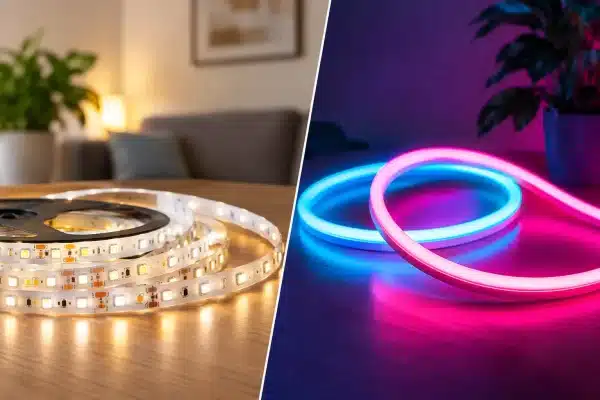
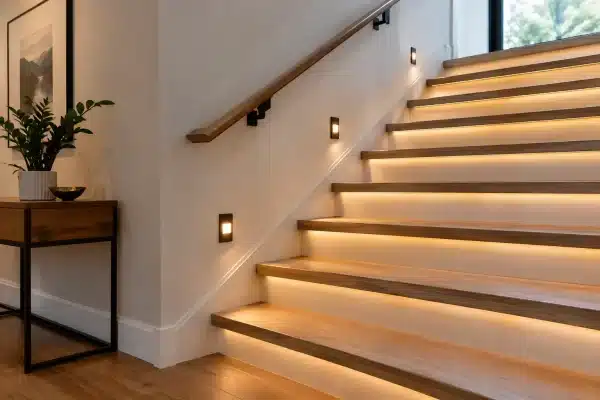
One of the smartest restaurant lighting design ideas is using LED strip lighting to highlight the parts of the interior that already deserve attention. Think shelving, bar fronts, joinery, wall recesses, steps or under-banquette details. This type of lighting gives a space structure without demanding attention in the way a statement fitting does.
It is also practical. LED strip can help with wayfinding, create a premium finish and make bespoke interior features feel intentional. In bars and hospitality venues, this is often where a scheme starts to feel custom rather than off-the-shelf.
5. Make the bar a focal point
In many restaurants, the bar is more than a service area. It sets the tone when guests arrive and often becomes one of the most photographed parts of the space. Lighting should reflect that.
Backlit shelving, concealed LED details, decorative pendants and well-placed accent lighting can all give the bar presence. The balance to watch is glare. Bottles and glass already reflect light, so if fittings are too harsh or badly positioned, the result can feel cold and overly commercial.
Lighting design ideas for different restaurant zones
The strongest schemes do not treat the restaurant as one room. They respond to how people move through it.
Entrance and waiting areas need a sense of arrival
The entrance should feel inviting from the street and composed from the inside. If it is too dark, it can seem closed off. If it is too bright, you lose the mood before guests even reach the dining area.
Wall lights, decorative ceiling fittings and subtle feature lighting usually work well here. You want enough brightness for confidence and visibility, but with a clear transition into the dining experience beyond.
Dining areas should feel intimate, not inconvenient
Dining tables need enough light for comfort, menu reading and food presentation. They do not need the kind of overhead brightness you would expect in an office or retail unit. This is where lower-level ambient lighting combined with focused table or pendant lighting often works best.
If tables are close together, consistency matters. A beautifully lit corner with a gloomy table beside it can make the room feel uneven and affect where guests want to sit. Lighting should support the whole layout, not just the hero seats.
Corridors, stairs and toilets still matter
These areas are easy to treat as functional afterthoughts, but they shape the overall impression of the venue. Poorly lit circulation routes can feel awkward or unsafe, while toilets with harsh lighting can jar with the rest of the interior.
Simple wall lights, recessed fittings or discreet LED strip can keep these spaces aligned with the wider scheme. They do not need the same drama as the main room, but they should still feel considered.
Statement lighting vs practical lighting
There is often a temptation to choose one spectacular fitting and expect it to carry the whole design. Statement lighting absolutely has its place, especially over bars, host desks or double-height dining rooms, but it should work with the scheme rather than compete with it.
A feature fitting gives character. Practical lighting makes the restaurant function. The best result usually comes from combining both. Let the statement piece create identity, then use supporting layers to make sure the room still works across lunch service, evening covers and cleaning hours.
This is also where dimming earns its place. A restaurant that trades from day into night benefits from flexibility. Morning coffee, lunch service and evening dining all need a different feel, and fixed lighting levels rarely suit every shift.
Choosing fittings that suit the brand
Restaurant lighting should reflect the concept as clearly as the menu and finishes do. Sleek glass pendants may suit a modern city dining room. A more decorative metal fitting could work beautifully in a classic brasserie. Minimal architectural lighting might be the better choice if the interior relies on texture, artwork or material contrast.
The mistake is choosing fittings in isolation. A beautiful product can still feel wrong if it ignores ceiling height, table spacing, colour palette or the style of the furniture. Lighting needs to belong to the room.
For hospitality projects with bespoke joinery or feature bars, tailored LED solutions can make a noticeable difference. This is often where specialist support adds value, because the finish depends as much on planning and placement as on the fitting itself.
Common mistakes that flatten a restaurant interior
The most common issue is over-lighting. Many restaurants use more brightness than they need because it feels safer during fit-out. Once the venue opens, that excess light can strip the room of atmosphere.
Another problem is inconsistency in colour temperature. Mixing very warm decorative lamps with cooler ceiling lighting can make a space feel disjointed. Guests may not know why the room feels off, but they notice it.
Glare is another frequent issue, especially with exposed lamps, reflective finishes and poorly positioned spotlights. If guests are squinting across the table or staff are working under harsh direct beams, the scheme is not doing its job.
Finally, lighting that looks good on a plan does not always work in a live restaurant. Furniture moves, sightlines change and real service patterns reveal what the room actually needs. That is why testing, dimming and adjusting matter.
When to think beyond decorative fittings
There are times when choosing attractive pendants and wall lights is enough. There are also times when the project calls for a more complete lighting plan. If your restaurant includes multiple zones, bespoke features, outdoor dining, a statement bar or a need to shift ambience through the day, a joined-up scheme pays off.
That is particularly true for hospitality operators who want lighting to support both the brand and the business. A better-lit room photographs better, feels more comfortable and helps guests connect with the experience you are creating. It can also make the space easier for staff to work in, which matters just as much on busy evenings.
A well-designed restaurant never feels accidentally lit. Every glow, shadow and focal point should feel like part of the story. Get that balance right and the room starts working harder from the first impression to the last table of the night.
If you are planning a new hospitality space or refreshing an existing one, start with the mood you want people to remember – then build the lighting around that feeling.